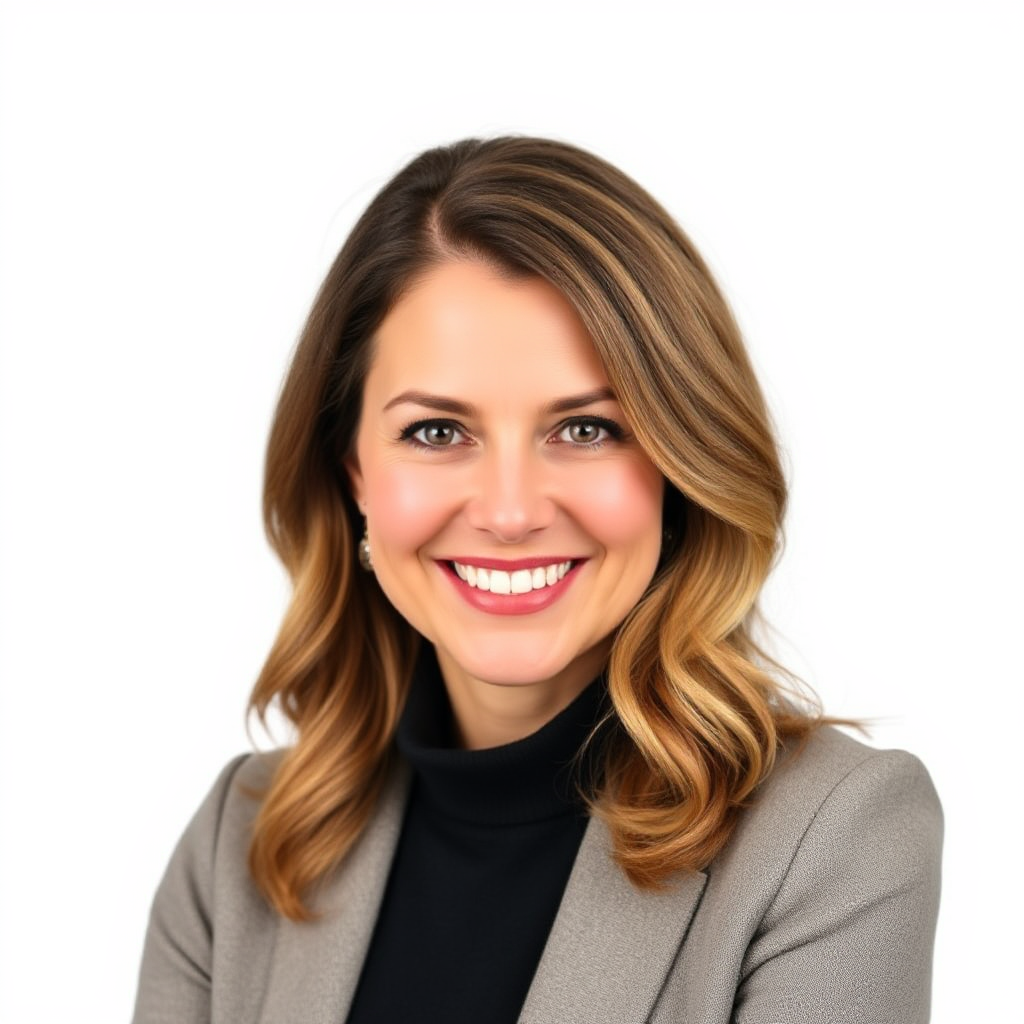
The late US VP Dick Cheney, who died at age 84, was regarded as one of the most significant incumbents of the vice-presidency in American history. Although many vice-presidents had to settle for marginal or figurehead positions, Cheney held substantial sway during the administration of George W Bush, to such an extent that he was commonly called as the "real president".
Bush resented such a characterisation and stated the connection was more complicated. He observed that Cheney was deferential, consistently referring to him in public settings as the President, while he referred to him as Dick. Bush questioned even descriptions of their association as a partnership because it suggested that they were peers. Despite these denials, Cheney viewed the easygoing president malleable on a whole raft of administrative determinations.
The Aftermath of 9/11
Leading of a group of neo-cons that featured military head Donald Rumsfeld and assistant defense secretary Paul Wolfowitz, he vigorously promoted the armed incursion of Iraq in 2003 in response to the terrorist strikes on New York and Washington. During of the 9/11 attack, Bush had been taking part in a meeting at a school in Florida. Whereas Bush made his way to a secure location in Nebraska, Cheney took charge, directing the destruction of any unidentified planes nearing the US Capitol.
Cheney claimed the attacks transformed him, causing him to be intent on retaliation. Along with other neo-cons, including Rumsfeld and Wolfowitz, he advocated for a occupation of Afghanistan in an effort to capture Osama bin Laden. Cheney then vigorously pushed for the military action of Iraq, though there was insufficient indication of Saddam Hussein being involved.
Controversial Decisions
He voiced no apologies about the military campaign, in which an approximated 100,000 Iraqis perished, and not about the harsh treatment of individuals captured after 9/11. He stated to CNN in 2015 that the Iraq military action, which was founded on inaccurate reports circulated by Cheney, was the proper path to take. "It was the correct action to do back then. I had faith then and I hold that view presently."
However even at the time, there were dissenting voices at a senior level about the botched execution of Iraq. One of the White House's own special envoys to the region, General Anthony Zinni (2001-03), was not reappointed from the position. "I saw, at the very least," he later wrote "true dereliction, negligence, and recklessness: at worst, lying, ineptitude, and graft."
Broader Context
Cheney was not completely accountable for the Iraq invasion. Prior to 9/11, Wolfowitz had advocated for comparable steps. He had written a memorandum outlining circumstances in which American interests might be compromised (encompassing "obtaining crucial commodities, primarily Persian Gulf oil"). Wolfowitz had contended that "the US should be positioned to act independently when cooperative measures prove impossible," specifically citing armed actions against Iraq.
Bush also had arrived in the presidency vaguely intent on implementing what his parent had famously refused to do in 1991; overthrow Saddam. After he had been fired by the president, the finance chief Paul O'Neill disclosed how, at the first meeting of the National Security Council in January 2001, Bush had declared his plan of diminishing America's involvement in the Middle East dispute and mooted defense operations against Iraq.
Bush held a personal grudge against Saddam, thinking he had been involved in a scheme to murder his parent, President George HW Bush, on a visit to Kuwait in 1993. He furthermore objected to that one of the biggest establishments in Baghdad had a ground design with a image of his predecessor's visage that each person had to walk over.
Questioning Techniques
Yet it was Cheney who was part of the most vehement behind attacking Iraq, repeatedly quoting intelligence reports that were both weak or completely inaccurate. He supported what the Bush government euphemistically referred to as "advanced techniques", the application of interrogation method and physical pressure.
Answering a Senate analysis in 2014 that found that no valuable data had been obtained through the interrogation methods, Cheney disregarded the findings as "loaded with crap". He told Fox News: "We requested [the CIA] to implement measures and establish procedures to apprehend the individuals who killed 3,000 of us on 9/11 and ensure it would not recur. That is precisely what they did and they earn a lot of credit."
Public Persona
Cheney reveled in monikers imposed on him by opponents such as the Star Wars villain and The Prince of Darkness, and by the idea that he was a dark force directing Bush. In Peter Baker's 2013 book about the duo, Days of Fire: Bush and Cheney in the White House, Cheney is cited as commenting: "Am I the malevolent mastermind in the shadows that nobody ever sees come out of his lair? This represents a advantageous way to function, truthfully."
Commercial Ties
Controversy over his corporate affiliations followed him through his period as VP. Even though he had limited background in business but strong connections in military, especially in Saudi Arabia, he was asked to become part of Halliburton, one of the world's most substantial oil and gas corporations, in 1995 as chairman and top executive.
In 2000 he was selected as Bush's VP candidate for the executive branch. Debatably, during the military campaign, Halliburton was awarded US contracts valued at substantial sums.
It significantly boosted his finances. His yearly compensation during his time at the corporation rose from his $258,394 during his time as Pentagon chief to millions. When he left in 2000 he had a severance arrangement valued at more than $20m|twenty

